
$60 billion. That's what U.S. advertisers spent on retail media in 2025, and eMarketer projects $71 billion by 2026. CPG brands now put roughly 39% of their total ad spend into retail media channels, and that number keeps climbing.
So here's the uncomfortable question: if everyone is pouring money into retail media, and retail media is supposed to drive sales, why aren't more brands actually growing?
Because retail media is great at one thing. Capturing demand that already exists. Someone searches "organic peanut butter" on Instacart, your sponsored listing shows up, they click, they buy. Clean. Measurable. But that person was already going to buy organic peanut butter. Your ad just decided whether they picked Jif or Justin's.
That's demand capture. And for a lot of brands, especially ones trying to grow rather than defend, it's not enough.
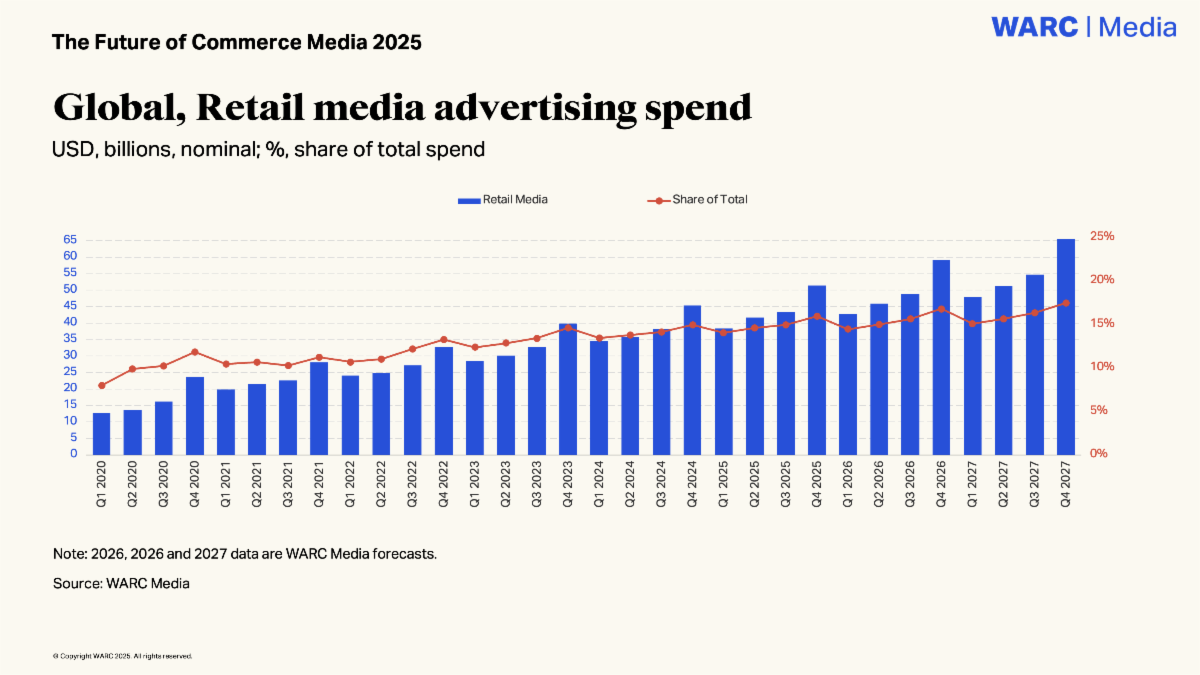
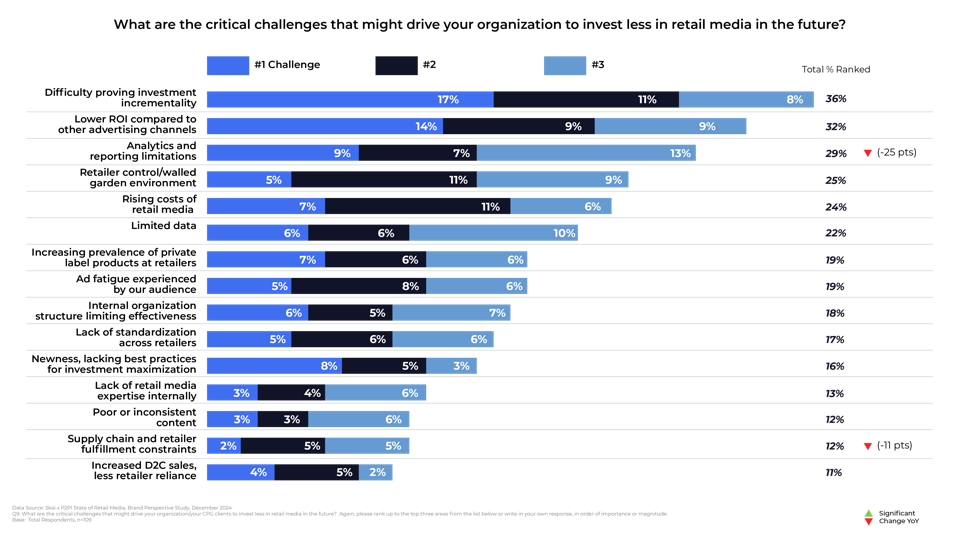
A Bain & Company analysis put it plainly: the fundamental question with retail media is incrementality. Are these ad-driven sales actually new? Or would the customer have bought the product anyway, with or without the ad?
For sponsored search on Amazon or Walmart Connect, the answer is often "they would have bought anyway." The shopper typed in the category. They were already in-market. Your ad didn't change their behavior, it just intercepted them.
Research from the Path to Purchase Institute found that CPG brands are allocating 25-30% of their digital budgets to retail media, with some beauty and health categories pushing 40%. And the returns are plateauing. You keep spending more, but you're fishing in the same pond of people who were already going to buy something in your category.
Meanwhile, the real growth question goes unanswered: how do you reach the people who aren't shopping your category yet?
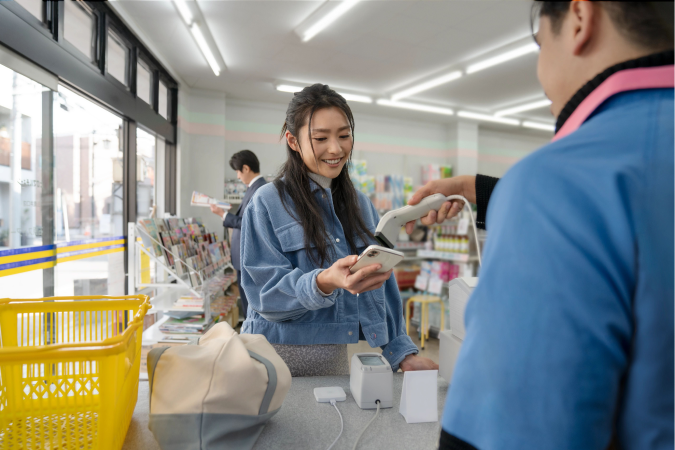
This is where creator content does something retail media fundamentally cannot. A creator making dinner with your pasta sauce and tagging the Kroger where she grabbed it isn't reaching people who were already shopping for pasta sauce. She's reaching people who were scrolling their phone, not thinking about dinner, and now they want to try it. That's demand creation. The viewer wasn't in-market until they saw the content.
Unilever clearly sees this. They recently announced they're shifting half their digital media spend toward social and working with 20 times as many influencers as before. Their internal data showed that creator-driven content was driving measurable retail velocity that neither brand awareness ads nor retail media were matching. This isn't a brand building exercise for Unilever. It's a sales driver.
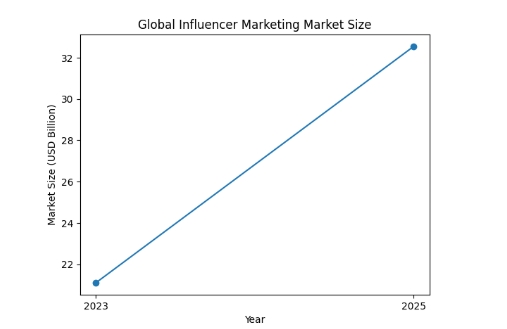
And the industry data backs them up. The influencer marketing space hit $32.55 billion in 2025, and 60% of consumers now say social media influences what they buy in physical stores. The influence is happening whether brands are measuring it or not.
Look at Chomps. They went from a niche DTC meat stick to a $660 million acquisition by Hormel. They captured 2% of the meat snack market but drove 40% of the category's growth. They didn't outspend Jack Link's on retail media. They built demand through creator content that made people seek out the product at retail. Real people talking about real products in real stores. That's what scaled Chomps, not sponsored search placements on Amazon.
Or Bloom Nutrition, which went from zero to a $300 million acquisition by Glanbia. Mari Llewellyn built that brand almost entirely through creator content. Fitness and lifestyle creators sharing their Bloom routines, filming their Target hauls, tagging the store. No massive retail media budgets. Just real people creating real demand.
We've seen the same dynamic across our own campaigns at Crafted. A marinated chicken brand running creator content with paid social amplification at Walmart hit a 19.5% sales lift. A lettuce brand at Food Lion saw 17%. Those are receipt-verified lifts, not modeled estimates. And they came from creator content creating demand, not retail media capturing it.
The biggest reason brands default to retail media is the measurement story. Walmart Connect hands you a clean ROAS number. Creator campaigns historically gave you... impressions. And impressions don't mean much when a retail buyer asks what moved units.
That gap is closing fast. Receipt-based attribution from Ibotta tracks actual purchases at the SKU level across its 20 million users. InMarket's Location Conversion Index ties ad exposure to physical store visits. Closed-loop systems that match content exposure to first-party purchase data give brands a direct, auditable line from creator post to in-store sale.
According to CreatorIQ's 2025 analysis, the creator economy has moved past follower count as a meaningful metric. What matters now is whether content converts to purchases, and the tools to prove it finally exist.
Nobody is saying kill your retail media budget. RMNs still rank as the top two performers among ten digital ad channels for driving incremental sales, and retail media is 50% more effective than social ads at driving immediate post-exposure action. It does its job.
The problem is treating retail media like a growth strategy when it's actually a defense strategy. Use it to protect your position with the shoppers already buying your category. Then invest in creator content to reach the much larger group of people who aren't looking for you yet.
The creator content creates the demand. The retail presence captures it. That's a full-funnel strategy that actually grows your business, instead of just running harder to stay in the same place.
.svg)
.svg)
.svg)
.svg)

.svg)
.svg)
.svg)


