
ikTok has seen a flurry of changes this past week, and it’s easy to miss some key updates. What seems like a simple ownership change is actually much more significant.
This deal isn’t just about headlines or numbers. It’s really about who controls TikTok, who owns the data, and who manages the algorithm that shapes what billions of people see, buy, and believe each day.
Here’s a look at where things stand now and why this moment matters beyond just TikTok.
On September 15, a framework deal was announced outlining how TikTok’s U.S. operations could continue without triggering a nationwide ban.
Under the proposal:
This setup is similar to other major tech deals where day-to-day control is separated from foreign ownership. It’s much like how some telecom or global cloud companies work across different countries.
This is not a complete sale. Instead, it works more like a partnership under close supervision, aiming to reassure U.S. regulators while keeping the product intact. The main goal is to maintain stability by meeting political and regulatory requirements, and at the same time, avoiding disruption for the more than 170 million Americans, millions of creators, and thousands of businesses that depend on TikTok for reach, income, and discovery.
Ownership is one thing. The algorithm is everything.
In the past few days, more details have emerged about how TikTok plans to handle the most sensitive asset it has: its recommendation engine.
According to reports:
This arrangement is unusual, but it’s not the first time something like this has happened.
A good real-world example is enterprise software licensing. Companies such as Adobe, Salesforce, or SAP own the technology, but big clients run, customize, and manage the software in their own secure systems.
In practical terms, this means:
For regular users and creators, the main worry has been disruption. If there was a forced sale or a strict ban, it could have led to the algorithm being reset, lost reach, or even the platform suddenly shutting down.
Instead, this deal points to things staying the same.
Likely outcomes include:
For advertisers, this matters even more.
Brands that use TikTok for marketing, influencer deals, and online sales won’t have to quickly adjust to a new platform. Media buyers won’t face sudden jumps in ad costs due to instability, and creators won’t need to protect their audiences as much, at least for now.
In short, TikTok will mostly stay the way you know it.
Adding another layer of intrigue, former President Trump suggested this week that Rupert Murdoch and Michael Dell could also join the investor group. If that happens, it would make TikTok U.S. even more of an American-run media and tech company, not just in terms of money, but also in culture and politics. It also makes TikTok seem less like a foreign social app and more like a key media platform, similar to cable networks, cloud services, or telecom companies in the U.S.
This is more than a business deal; it’s also a political message.
While U.S. officials have been increasingly vocal, China has been far more cautious in its public comments. This careful approach is important.
Key reasons:
That makes China the true wildcard in this process. Progress in Washington doesn’t guarantee a green light in Beijing, and a single regulatory objection could slow, reshape, or stall the deal entirely. This is why, despite optimistic headlines, the situation remains fluid — and why final confirmation will matter far more than framework announcements.
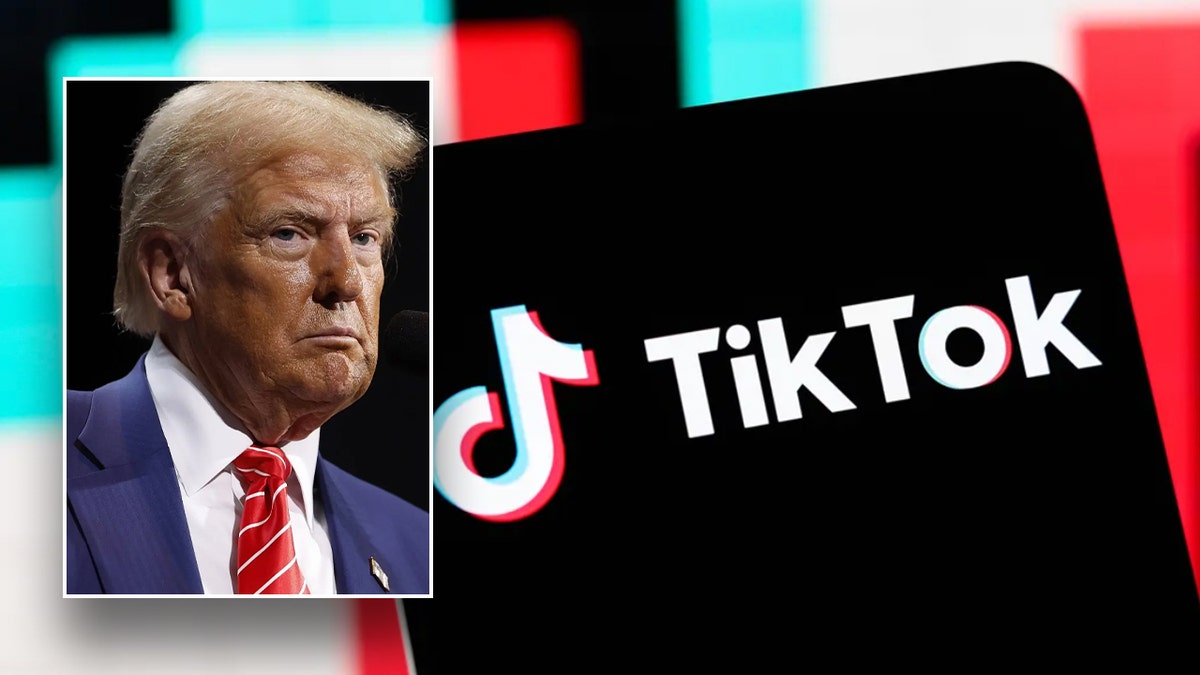
Trump has now pushed the divest-or-ban deadline a fourth time, extending it to December 16.
Repeated extensions usually signal two things:
For creators, advertisers, and brands, this means things continue as usual, but with some caution. Many are still spreading their audiences to Instagram Reels, YouTube Shorts, and email lists, but TikTok is still too important to overlook.
If the deal closes as expected:
For marketers, this highlights a bigger point: social platforms are no longer just for entertainment. They are now economic drivers, sources of data, and even geopolitical assets.
For now, even with all the debate, TikTok is here to stay.
Stay tuned for more quick and straightforward TikTok updates as this story develops.
.svg)
.svg)
.svg)
.svg)

.svg)
.svg)
.svg)


