
erging brands represent only 2% of the U.S. food market, but they drove 40% of the category’s growth last year. This shows that small, focused brands are outpacing legacy giants, and big food companies are taking notice.
One of the clearest examples is Chomps.
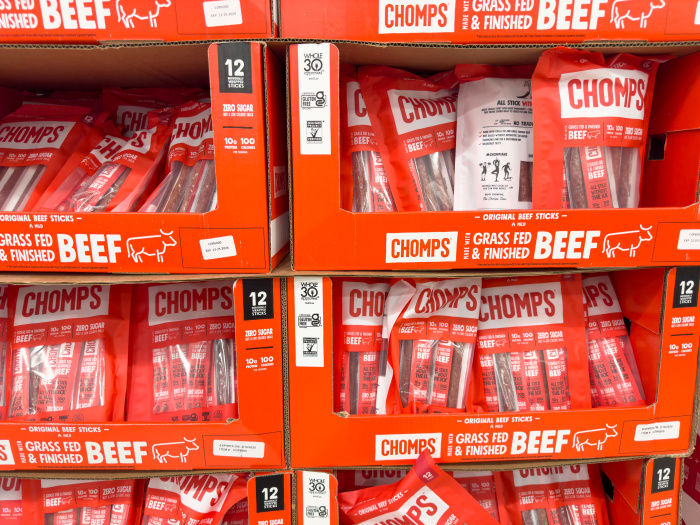
The Wall Street Journal recently featured Chomps, which grew from $70 million in revenue in 2021 to about $660 million today. This growth far surpasses competitors like Slim Jim. Such rapid progress is no accident.
So, what did Chomps do to succeed?
Chomps focused on a specific group first instead of trying to appeal to everyone. They began with the CrossFit community.
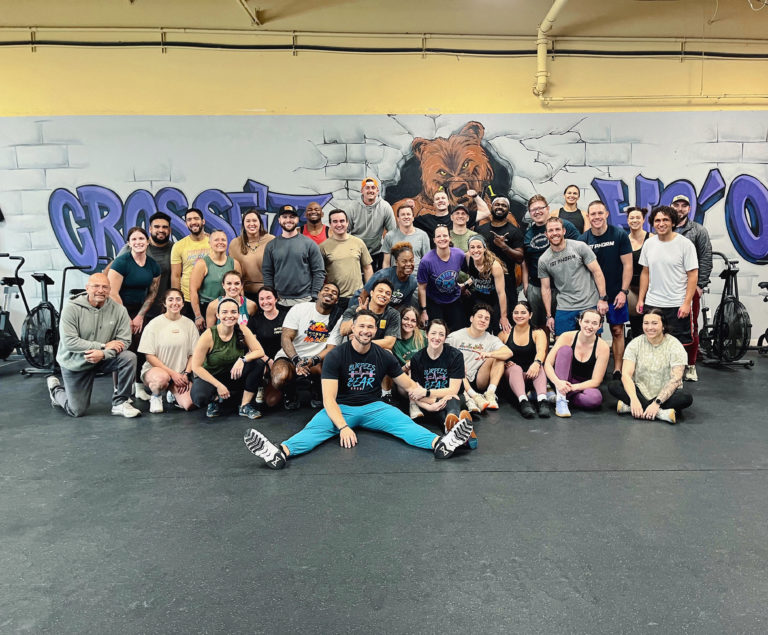
CrossFitters already valued:
This made CrossFitters natural early adopters. Chomps also showed a strong strategy by noticing who was actually buying their products. They found that about 70% of their customers were women, which was a key insight in a category usually marketed to men.
After this, Chomps changed its messaging to better fit its audience:
This approach is similar to brands like Athletic Greens and Oura Ring. They started with a niche, listened to their customers, and adjusted their positioning based on real data.
Instead of seeking big celebrity endorsements, Chomps worked with mom influencers and wellness creators who already had their audience’s trust.

These partnerships worked because:
This is similar to how brands like Ritual and Bobbie Baby Formula grew. They became part of daily routines instead of relying on hype. They just do influencer marketing.
They approached influencer marketing with discipline.
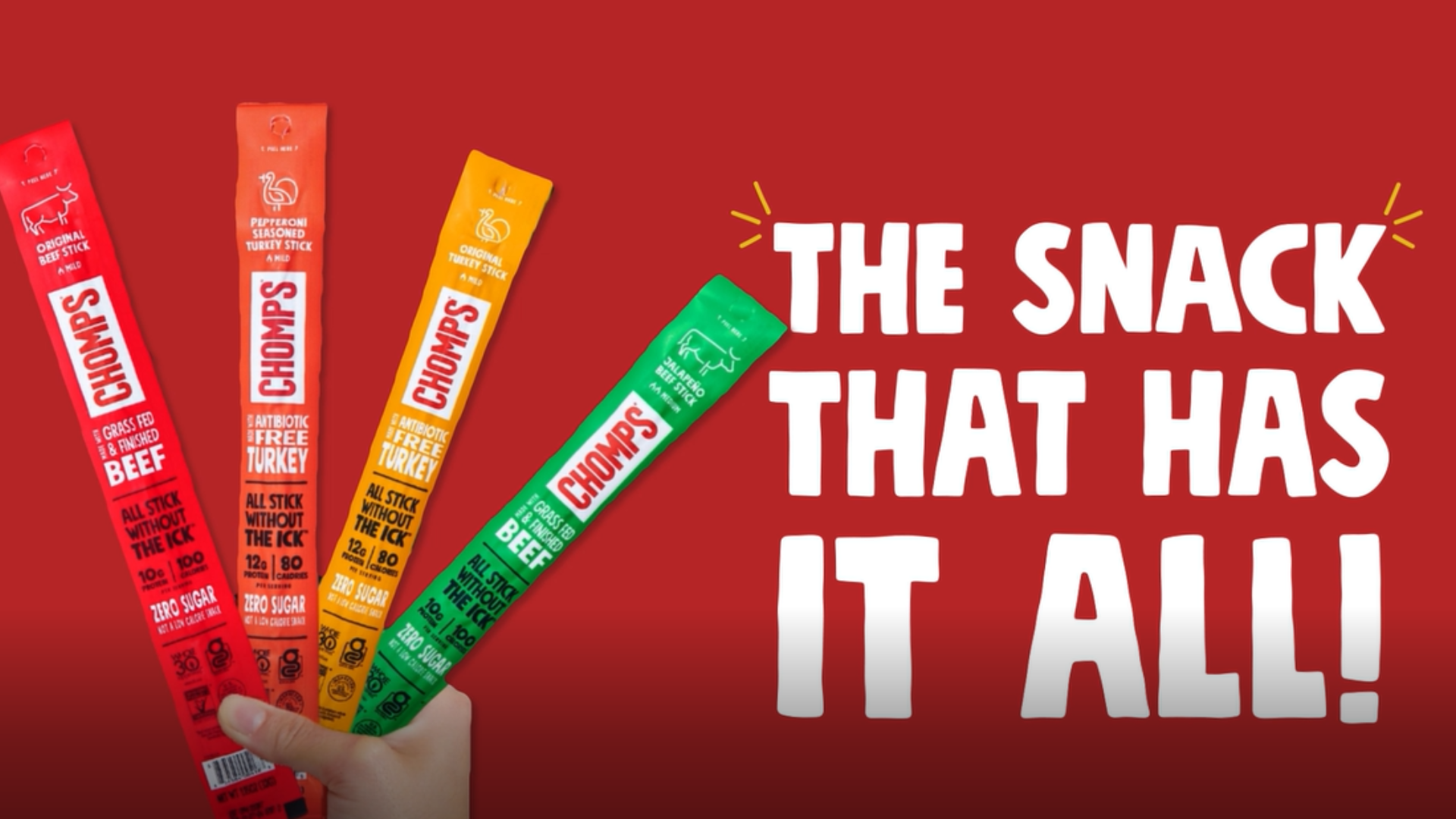
One of Chomps’ smartest moves was saying no many times.
They stayed e-commerce-only for an extended period, which allowed them to:
When they decided to expand, they did so with clear intention:
Chomps waited almost 10 years after founding before moving into mass retail. That kind of patience is rare, but it paid off.
This is different from brands that enter big-box retail too soon and then struggle with sales, pricing pressure, and brand dilution.
Over the years, they aligned naturally with:
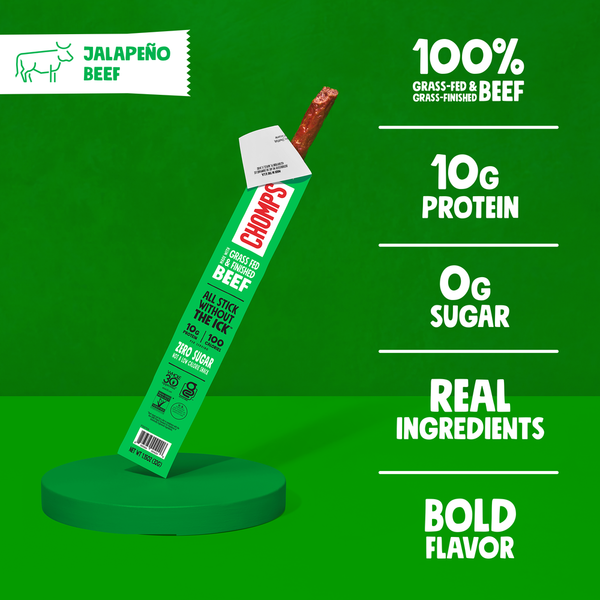
Chomps chose not to rebrand for every new trend. The core product remained the same: real meat, simple ingredients, and high protein. This steady approach helped the brand feel authentic, even as diet trends changed.
Rather than chasing buzzwords, Chomps let different consumer groups find the product in their own way, whether they followed keto, paleo, clean eating, or high-protein lifestyles. The brand kept its core promise, which made it durable and not tied to any one trend.
This is similar to how RXBAR and Fairlife remained strong as nutrition trends changed.
One of the most overlooked reasons for Chomps’ success is their focus.

For roughly 13 years, Chomps essentially had one core product — and they obsessed over getting it right.
Instead of launching endless SKUs, they:
A good example is Chomplings, which was made for kids. This helped the brand reach new households while keeping its identity.
This level of focus is what sets lasting brands apart from those that just follow trends.
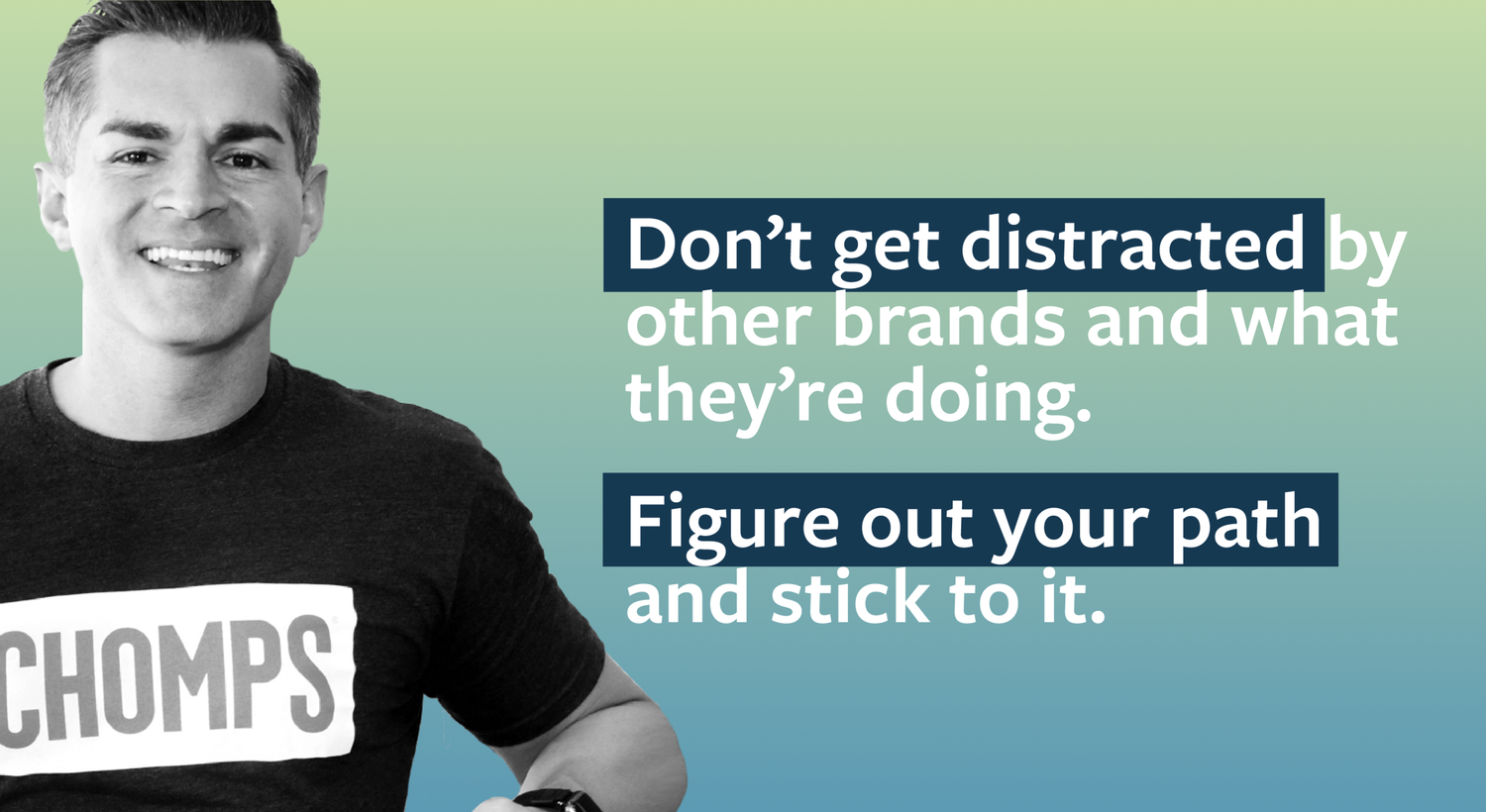
Chomps didn’t outspend incumbents like Slim Jim.
They listened better, stayed more focused, and executed more effectively.They proved that:
As big food companies rush to acquire or merge with brands like Chomps, the lesson is clear. The future of food belongs to brands that start small, stay focused, and grow alongside their customers, not ahead of them.
So what do you think?
What else do you think Chomps has done well to become America’s new favorite meat stick?
.svg)
.svg)
.svg)
.svg)

.svg)
.svg)
.svg)


